Showing posts with label BMW. Show all posts

Sunday, September 4, 2011

BMW develops laser light for the car


Following the introduction of the full LED headlight, laser light is the next logical step in the development of vehicle headlight technology. BMW is planning this step, thus further expanding its lead in innovative light technology.
Munich. As a globally successful carmaker within the premium segment, the BMW Group attaches the utmost importance to advanced technology in all sectors of automotive manufacturing. Exclusive innovations and technological leaps secure BMW’s lead amongst the competition. In the field of exterior vehicle lights, BMW also leads the way for example with full LED headlamps for the BMW 6 Series and with new developments such as the “Anti-dazzle High- Beam Assistant”, as well as with “Dynamic Light Spot”. The term “Dynamic Light Spot” stands for a marker light system that automatically illuminates pedestrians in good time, thereby guiding the driver’s attention.
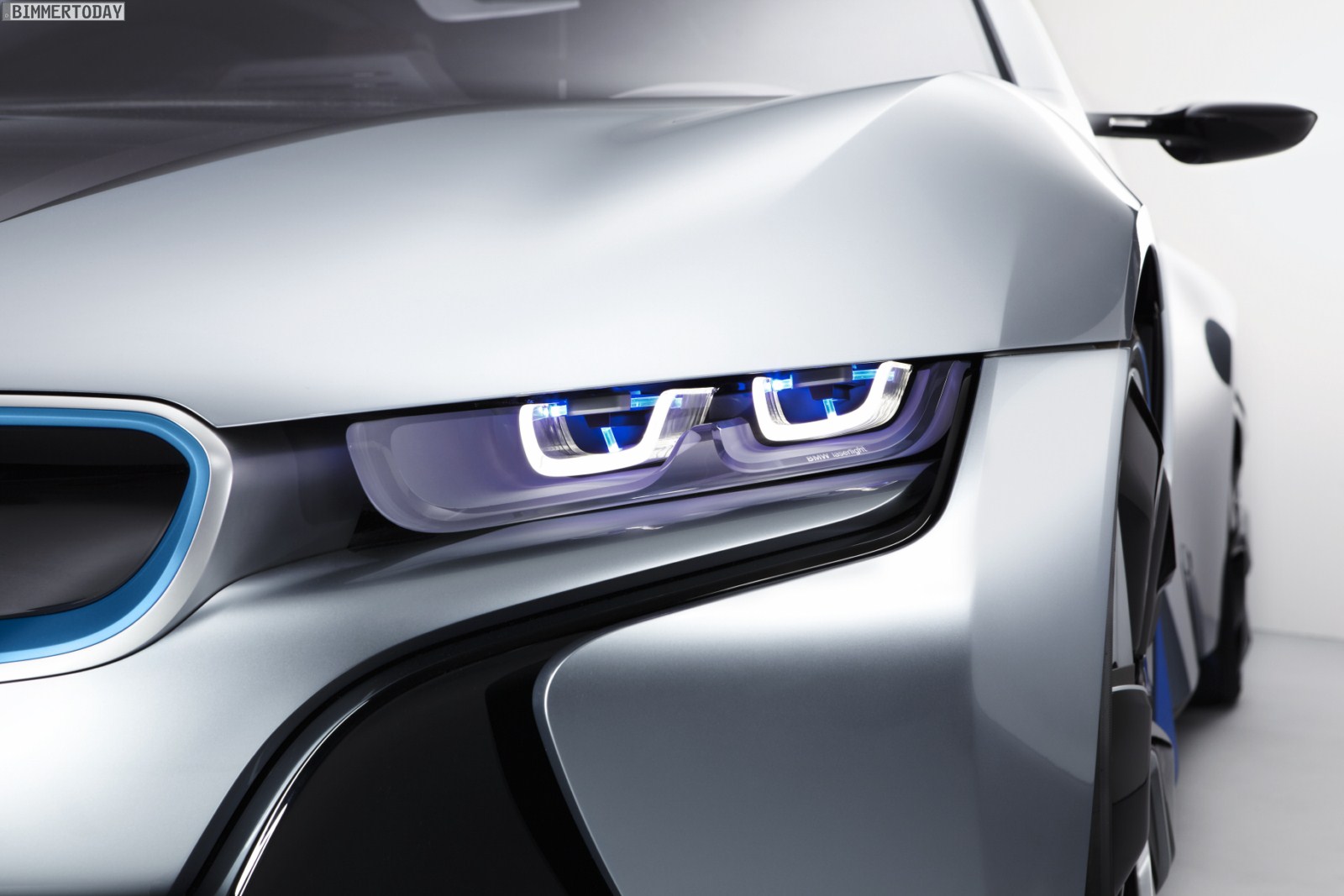
After LED technology, laser light is the next logical step in car light development. BMW engineers are currently already working on the introduction of laser light as a further pioneering technology for series production within a few years. Laser light could then facilitate entirely new light functions for even more safety and comfort and at the same time contribute significantly through its higher degree of efficiency towards a saving in energy and fuel respectively.
Laser light produces virtually parallel light beams.
By definition, laser lighting is radically different from sunlight, and also from the various types of artificial lighting in common use today. For a start, laser lighting is monochromatic, which means that the light waves all have the same length. And it is also what is known as a “coherent” light source, which means that its waves have a constant phase difference. As a result, laser lighting can produce a near-parallel beam with an intensity a thousand times greater than that of conventional LEDs. In vehicle headlights, these characteristics can be used to implement entirely new functions. Also, the high inherent efficiency of laser lighting means that laser headlights have less than half the energy consumption of LED headlights. Simply put, laser headlights save fuel.
The intensity of laser light poses no possible risks to humans, animals or wildlife when used in car lighting. Amongst other things, this is because the light is not emitted directly, but is first converted into a form that is suitable for use in road traffic. The resulting light is very bright and white. It is also very pleasant to the eye and has a very low energy consumption.
Laser diodes are already in use today in the consumer sector.
Completely safe laser lighting technology is already in use in a variety of consumer products, though in many cases this is a product feature that goes unnoticed by the customer. That won’t be the case when this technology is used in cars, however, as planned by BMW. Here the whole point is that the advantages should be noticeable and visible. A further feature of laser technology, which has important implications, is the size of the individual diodes. With a length of just ten microns (µm), laser diodes are one hundred times smaller even than the small, square-shaped cells used in conventional LED lighting, which have a side length of one millimetre. This opens up all sorts of new possibilities when integrating the light source into the vehicle. The BMW engineers have no plans to radically reduce the size of the headlights however, although that would be theoretically possible. Instead, the thinking is that the headlights would retain their conventional surface area dimensions and so continue to play an important role in the styling of a BMW, while the size advantages could be used to reduce the depth of the headlight unit, and so open up new possibilities for headlight positioning and body styling.
A further advantage of laser lighting technology, and one which the BMW engineers intend to use to full effect, is its high inherent efficiency. A single statistic will make this clear: whereas LED lighting generates only around 100 lumens (a photometric unit of light output) per watt, laser lighting generates approximately 170 lumens. With statistics like this, it is not surprising that BMW is also planning to take advantage of laser lighting technology to increase the efficiency of the overall vehicle. And appropriately enough it is in a concept vehicle from the new BMW i sub-brand, the BMW i8 Concept, that laser lighting will get its first airing. After all, BMW i stands for a new premium concept that is strongly oriented towards sustainability.
Laser lighting: high efficiency and safety.
Safety is a key consideration in the development of laser lighting for use in passenger cars. For BMW, the complete eye safety of this technology for all road users and its complete reliability in day-to-day use have top priority. Importantly, therefore, before the light from the tiny laser diodes is emitted onto the road, the originally bluish laser light beam is first of all converted by means of a fluorescent phosphor material inside the headlight into a pure white light which is very bright and pleasant to the eye. As a result, in future it will be possible to use laser light to implement all the familiar – including more recent – BMW lighting functions such as Adaptive Headlights, the “Dynamic Light Spot” spotlighting system and the “Anti-Dazzle High-Beam Assist”. It will also be possible to use BMW laser lighting to implement completely new functions, which will have only minimal power consumption.

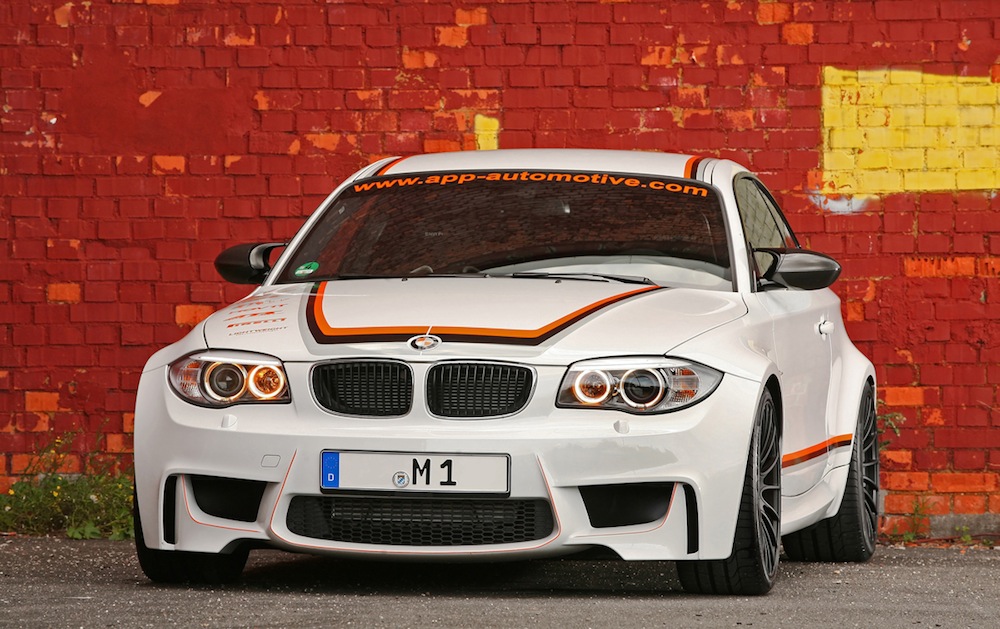
BMW 1 Series M Coupe tuned by APP – 404 hp


German tuner APP revealed their own version of the new BMW 1 Series M Coupe. The performance kit offer both visual upgrades, as well as a significant power increase. The interesting part of the kit is the new suspension which includes an iPad/iPhone application for controlling your ride settings.
First change comes from under the hood. The 1 Series M gets a performance boost courtesy of MR Car Design that takes output from a standard 340 PS (250 kW / 335 bhp) to 410 PS (302 kW / 404 bhp).
Additionally, APP adds a lightweight titanium exhaust system and a KW Variante 3 coilover suspension with DDC (direct digital control).
To cope with the increased power, the APP 1M sits on lightweight wheels from ATS with Pirelli P Zero tires.
Inside, the standard seats are replaced by lightweight sport seats upholstered in BMW Performance Alcantara and a sport steering wheel from BMW Performance.
Visually, the APP 1 Series M Coupe showcases an interesting paint scheme, Orange/Black/Gray. A similar paint scheme but in ///M colors was first offered on the CSL racing car.
The price for all these upgrades? A whooping 14,000 euros.

First Official Photos: BMW 1 Series Performance Accessories Study


BMW reveals the first official photos of 1 Series Performance Accessories Study vehicle. As we indicated before, the BMW 120d features a full aerodynamic package with several BMW performance parts.
The super sporty package includes a front and rear aprons, side skirts and a modified rear spoiler, black grilles and carbon fiber mirror covers. Black decorative stripes add a sporty touch to the white paint and fit well with the dark gray painted alloy wheels in 19 inch format.
Inside, the 120d showcases a BMW performance steering wheel with the yellow market at the top, alcantara trim, a shift knob dressed up in carbon fiber as well as sportier pedals.
For increased performance, a new set of brakes were fitted to the car as well.
The BMW 1 Series Performance Accessories study will make its official debut at the upcoming Frankfurt Motor Show.

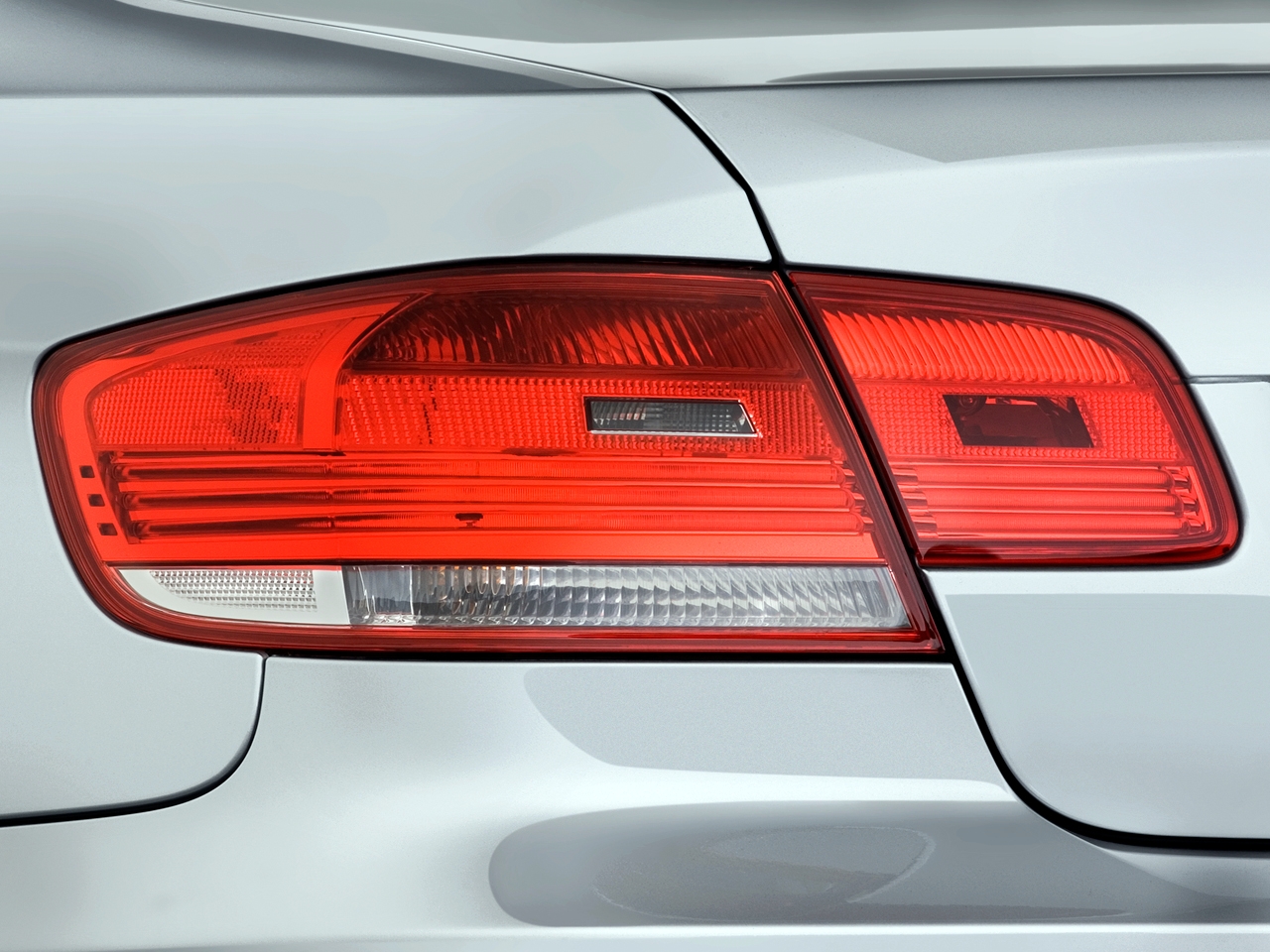
Recall: 241,000 BMW 3 series sedans for faulty light


BMW issues a recall on 241,000 3 Series sedan vehicles from 2002-2005 to replace potentially faulty rear lights. The models affected by the issue are the 325i, 325xi, 330i and 330xi built between 2001 and 2005.
BMW says the issue with the rear lights is caused by resistance in the electrical contacts. This may cause one or more rear lamp functions (tail light, brake light, and or turn-signal)” to stop working. The problem is in the rear lamp unit in the vehicle’s body panel.
The recall came after more than 3,000 warranty claims were filled. No injuries or accidents resulted because of the issues.
BMW told the National Highway Traffic Safety Administration that about 40,000 vehicles have already been repaired, with the total number of faulty vehicles being around 20 percent.
NHTSA has been investigating the issue since April 2009 and upgraded the investigation in December 2009, when it said it had reports of 935 complaints or warranty claims of faulty lights.
BMW issued a technical service bulletin in February 2007 to address the issue by adding ground wiring to the tail lamp assembly.
BMW will notify owners by October and BMW dealerships will rework the electrical connections to the rear lamps.

BMW Group Canada achieves best-ever August


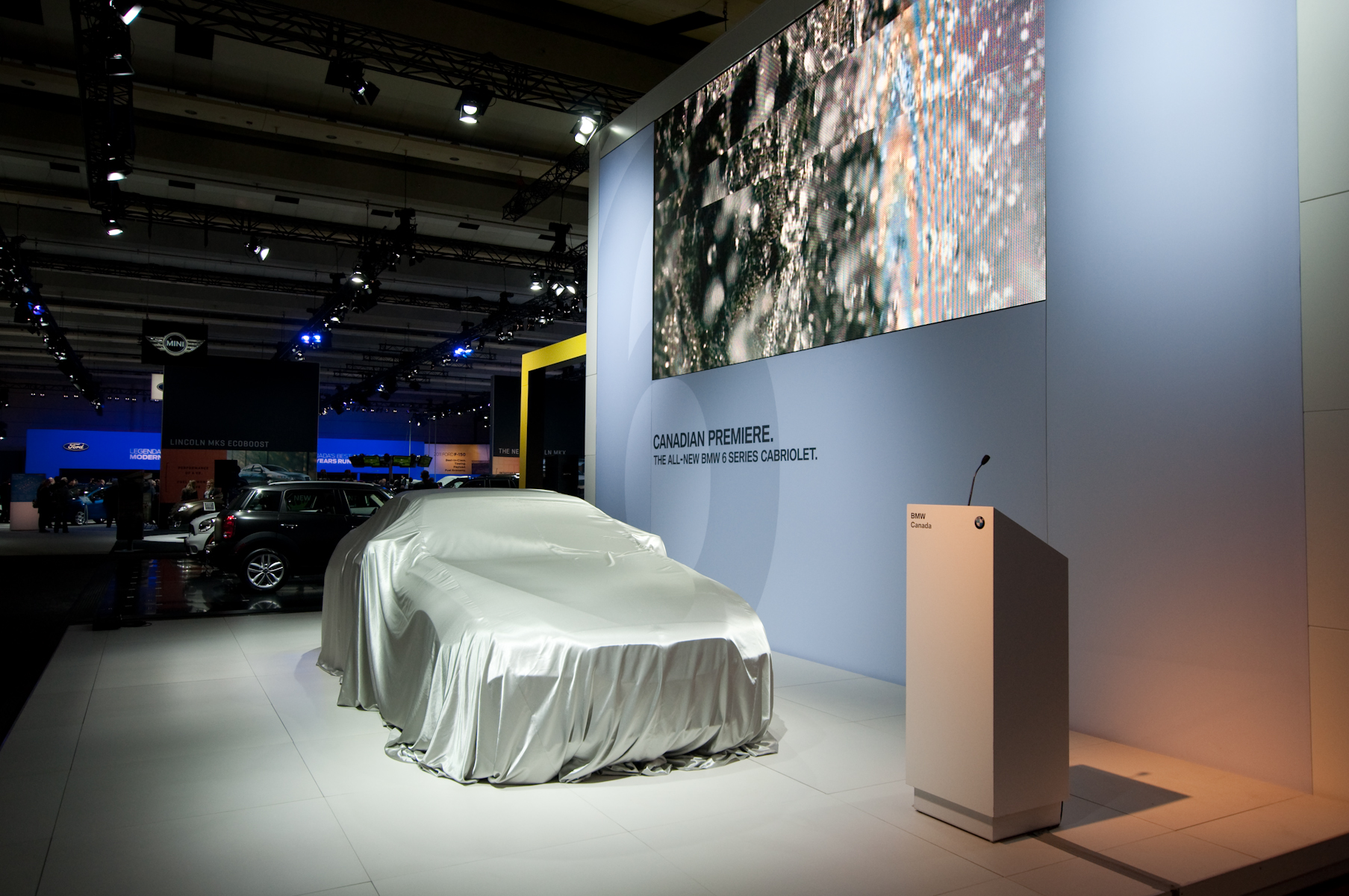
BMW Group Canada (BMW and MINI brands combined) reported 2,844 retails in August, an increase of 4.1 per cent over August, 2010. A total of 22,605 units have been sold so far this year, an increase of 11.4 per cent over last year.
BMW.
The BMW brand achieved its best ever August with 2,442 sales, an increase of 4.3 per cent over the same month last year. The all-new X1 continues its strong debut, with the 5 Series, X3 and X5 models performing well also. Year-to-date sales of 19,300 units represent an increase of 10.8 per cent compared to the same period last year. With another monthly sales record secured in August, the brand has now set new monthly sales records in seven of the last eight months.
MINI.
MINI reported sales of 402 units in August, an increase of 3 per cent over August, 2010. The hatch model drove sales for the MINI brand in August. MINI has sold 3,305 units year-to-date, an increase of 15 per cent over the same period last year.
Motorrad.
BMW Motorrad Canada reported best-ever August sales of 186 units, an increase of 0.5 per cent compared to August, 2010. The year-to-date figure for the brand is 1,354 units, a decrease of 16.4 per cent compared to the same period last year.
Pre-owned.
BMW pre-owned reported 1,095 units retailed in August, a decline of 4.1 per cent over August, 2010. Year-to-date, a total of 8,665 units have been sold, marking an increase of 3.7 per cent compared to the same period last year.
On the MINI side, 142 units were sold, a decrease of 9.6 per cent over August, 2010. On the year, MINI pre-owned has sold 1,458 units, an increase of 47.6 per cent over the same period last year.

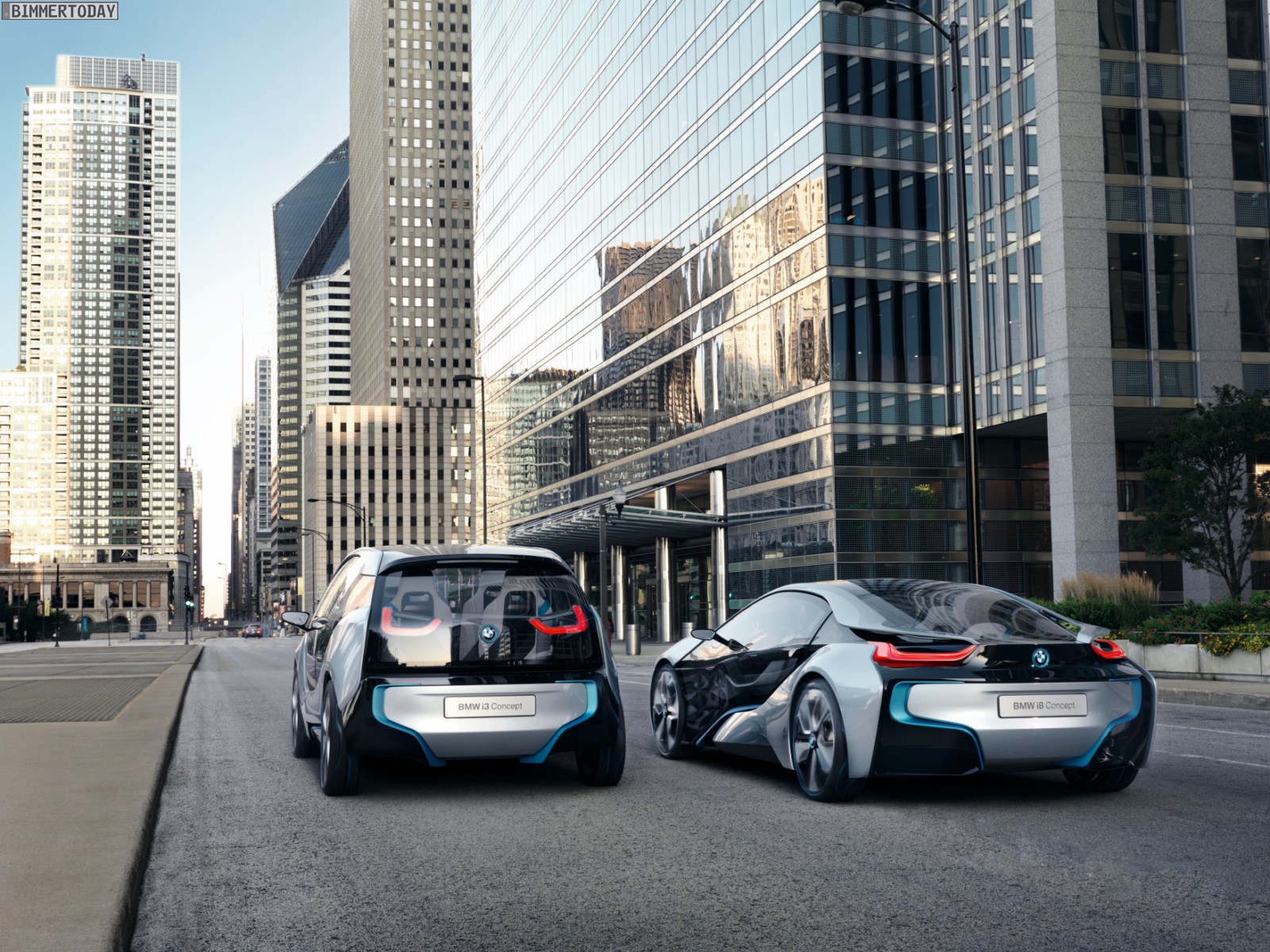
BMW i3 and i8: New Photos From Chicago


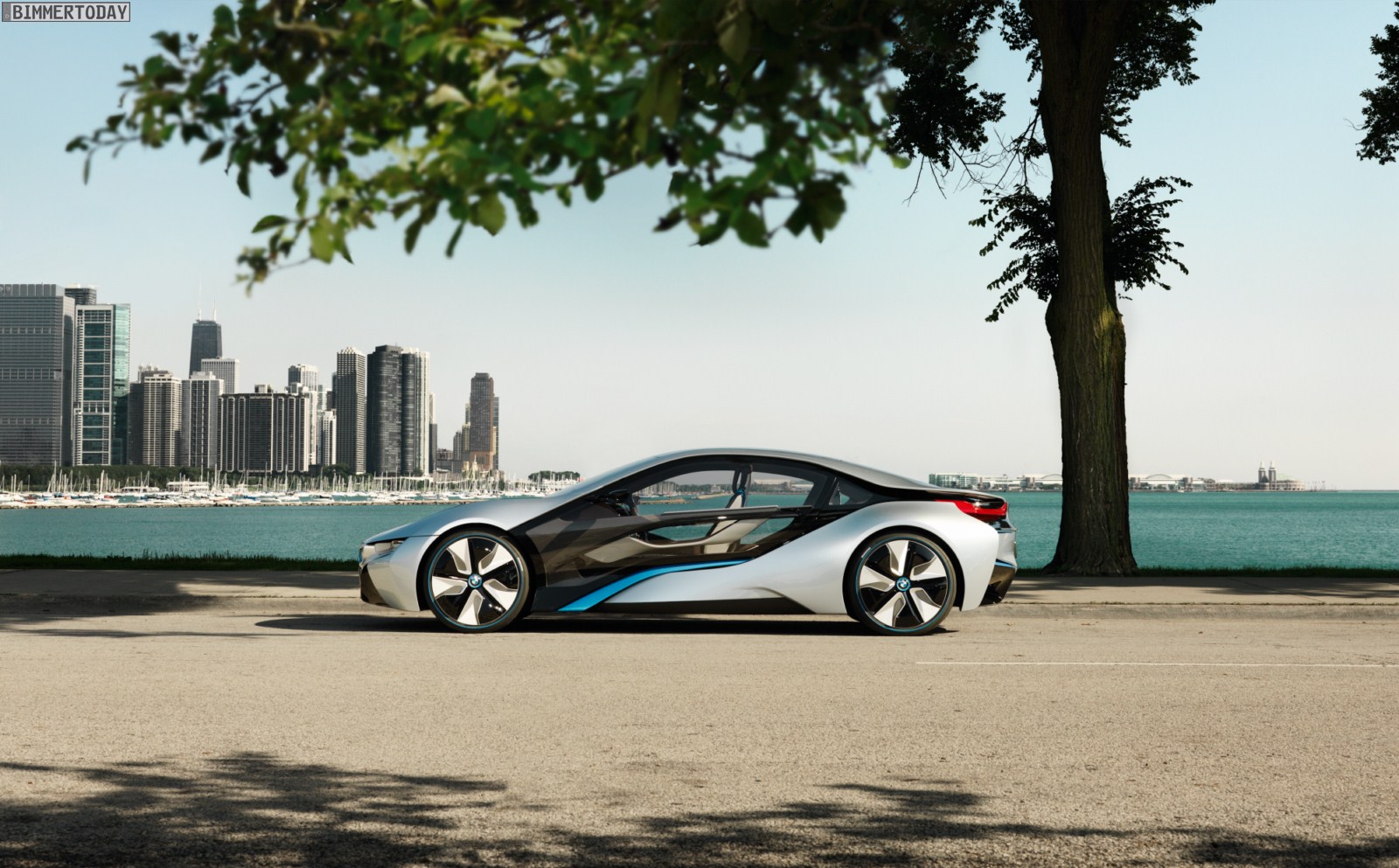
Last month, BMW brought the new i3 and i8 concepts to beautiful Chicago for another round of photos. The two electric and hybrid vehicles continue their world tour prior to their official release in 2013.
The i3, previously known as Megacity Vehicle, is based around a light CFRP body structure and rides on a predominantly aluminum chassis. The i3 produces 168 horsepower and 184lb ft of torque, and it has a top speed of 93 mph (150 km/h). It accelerates from 0 to 100 km/h (62 mph) in 7.9 s. BMW i3 measures 3845mm in length, 2011mm in width and 1537mm in height. The plug-in system is a compact electric motor mounted over the rear axle. It draws energy from the battery to provide drive to the rear wheels via a single-speed transmission.
At 349 horsepower and nearly 80 mpg fuel consumption, the BMW i8 will set a benchmark in the performance segment. BMW says the i8 runs a 0-62mph in just 4.6 sec – 0.3 sec faster than the M3 Coupe. Initially previewed by the Vision EfficientDynamics (Vision ED) concept back in 2009, the super-sporty two-door i8 has already undergone two years of intensive development. The major change is a new 1.5 liter petrol engine replacing the initial diesel unit of same capacity. The engine is mounted at the rear and drives via a dual-clutch gearbox.
BMW i8 measures 4632mm in length, 1955mm in width and 1280mm in height, comparable to the 3 Series coupe in dimensions.
The two i models are just the beginning for new sub-brand and additional vehicles are expected by the end of this decade.